
Rockdale County Criminal Court Records
A criminal court record is the court-maintained file for a prosecution. In Rockdale County, the case may begin with an arrest, warrant, accusation, indictment, citation, or other charging act, but the criminal court record is the clerk's case file once the matter is filed and tracked in court. It can show the filed charges, appearances, motions, plea, trial setting, judgment, sentence, and financial obligations.
Superior Court Criminal maintains felony case files for Rockdale Superior Court. State Court Criminal handles misdemeanors and traffic-related criminal matters. Magistrate Court handles arrest warrants, search warrants, first appearance, bond, probable cause, and some ordinance or bad-check matters. The District Attorney prosecutes criminal cases for the State and Rockdale County, while the Public Defender handles appointed defense work for eligible defendants in Juvenile, State, and Superior Courts.
The Superior Criminal CR Case Payment portal is linked by the clerk for Superior criminal fines, fees, and restitution.
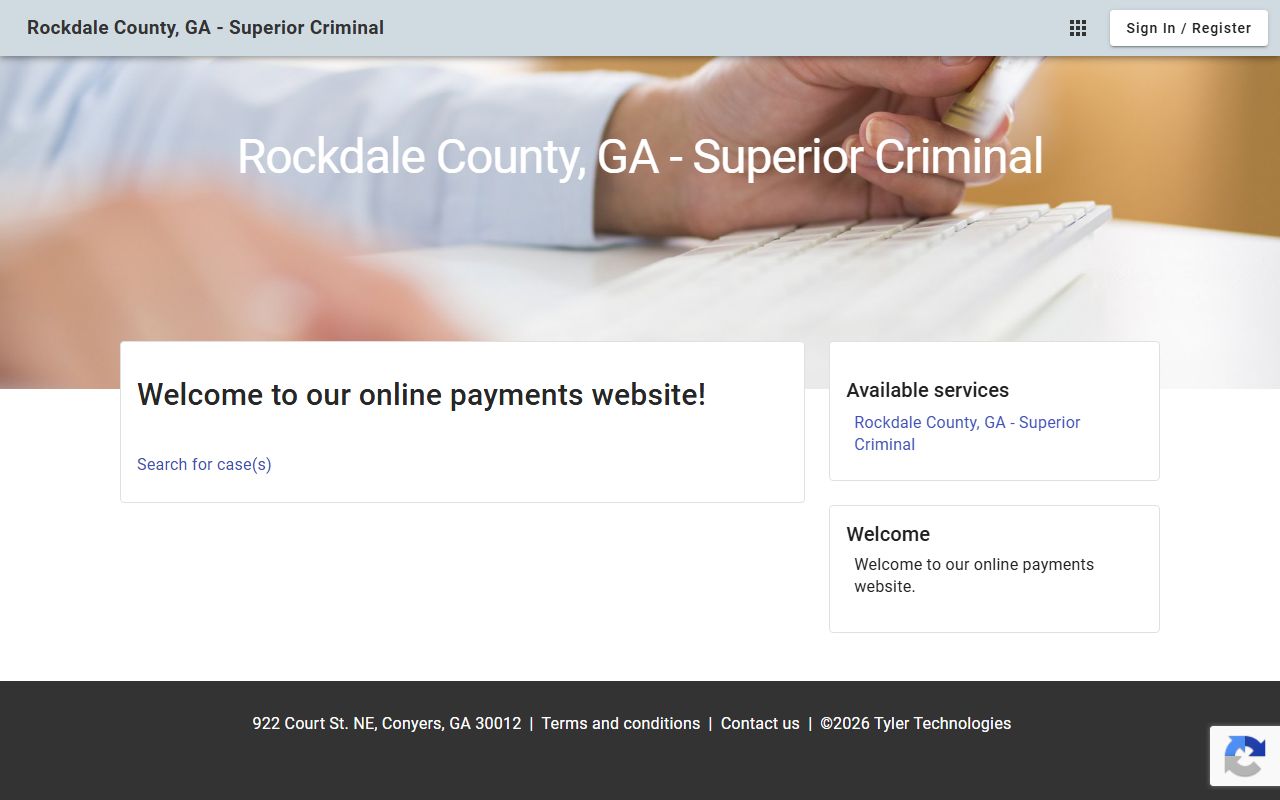
Payment portals can confirm that a case has financial obligations, but certified dispositions and older felony records still require the clerk copy channel.
Rockdale County Felony and Misdemeanor Files
Georgia's structure makes the court level important. Superior Court is the general-jurisdiction trial court and has exclusive constitutional authority over most felony cases, along with divorce, title to land, equity, adoptions, habeas, and lower-court review. Rockdale has two Superior Court judges, with offices and courtrooms in the courthouse. Superior criminal case users should route disposition and appearance questions through the Superior Court Criminal division.
State Court handles misdemeanors, traffic violations, and civil cases not reserved to Superior Court. For criminal-record work, that means many misdemeanor cases and traffic offenses are not in the Superior criminal division at all. The clerk identifies Ginger Gray as State Court Criminal Division Manager and gives criminal and traffic contact channels. Certain traffic offenses require a court appearance, and the clerk says to call 770-278-7872 if appearance is unclear.
The State SR criminal payment portal is the online payment source linked for State Court criminal matters.
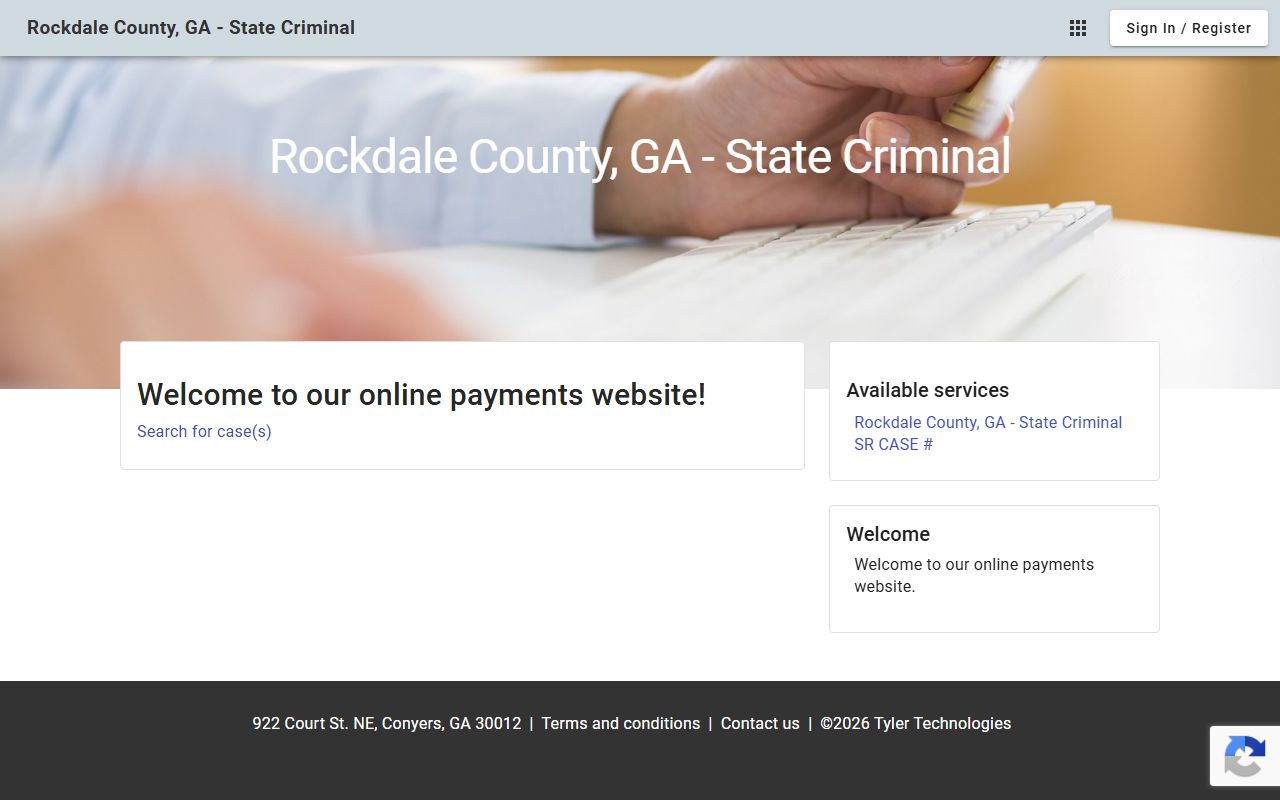
State Court payment access does not replace the State Court Criminal division when a person needs court-date, appearance, plea, or certified-copy information.
Search Rockdale County Criminal Court Records
For online criminal case lookup, use re:SearchGA as the forward-looking court-record provider. The older Tyler Public Access portal may still load, but the Rockdale clerk's 2026 notice says Public Access support ended on January 1, 2026. For certified criminal dispositions, direct clerk contact is still the key route.
- Decide whether the case is Superior Court felony, State Court misdemeanor, Magistrate first appearance or warrant, or a municipal matter.
- Search by case number when a notice, indictment, accusation, citation, or payment record provides it.
- Use defendant name only after checking the court level and possible name variants.
- Read the docket entries for charges, arraignment, motions, plea, disposition, sentence, and financial obligations.
- Request certified dispositions or older Superior criminal files from Room 203 or 770-278-7922.
Superior criminal records older than 15 years are stored offsite and require three business days to process after request. That local timing rule is important when a record is needed for licensing, employment review, immigration counsel, or sentence verification.
Rockdale County Criminal Case Flow
Criminal court records should be read in sequence. The same arrest can produce a booking charge, a Magistrate first appearance, a later accusation or indictment, and final Superior or State Court disposition. A charge may be amended, reduced, dismissed, or resolved by plea or trial before the sentence is entered.
Case flow: Charges Filed › Arraignment › Pretrial / Motions › Plea or Trial › Disposition › Sentencing
| Stage | What Happens |
|---|---|
| Charges filed | The prosecutor files an accusation, indictment, or other charging document that opens or defines the court case. |
| Arraignment | The defendant is called to answer the charge and a plea may be entered. |
| Pretrial / motions | Attorneys file requests and the judge issues orders on evidence, scheduling, bond, or procedure. |
| Plea or trial | The case resolves by plea, bench trial, jury trial, dismissal, or another court order. |
| Disposition | The court records the outcome of each charge, such as guilty, not guilty, dismissed, or nolle prosequi. |
| Sentencing | The court enters punishment or terms such as jail, probation, fines, fees, restitution, or other conditions. |
What Rockdale County Criminal Records Show
Rockdale County criminal court records may show both current and historical events. A docket entry can mark a bond order or hearing, while the final disposition explains what happened to each charge. A sentence can include jail time, probation, restitution, fines, court costs, and other conditions. Bench warrants can appear when a person fails to appear or violates an order, but warrant confirmation may require the court, prosecutor, or counsel because the Sheriff's warrant office says warrant information cannot be given over the phone.
| Field | What It Shows |
|---|---|
| Case number | The court's identifier for the criminal case, used for lookup and copy requests. |
| Defendant | The person charged in the court case. |
| Court | Superior, State, Magistrate, Juvenile, or Municipal source for the event. |
| Charges | The formal filed charges, which can differ from booking charges seen at the jail. |
| Bond | Release amount, surety, cash, property, or conditions where entered in the case. |
| Plea | The defendant's formal response, such as guilty, not guilty, or nolo where applicable. |
| Disposition | The final outcome of each charge. |
| Sentence | Jail, probation, fine, fee, restitution, and court-ordered conditions. |
| Restriction | Sealed, restricted, juvenile, or redacted information not open to general public review. |
Charges and Convictions Compared
A filed charge is not the same as a conviction. Rockdale County criminal court records may list charges that were amended, reduced, dismissed, or resolved without a guilty finding. The conviction is the adjudicated outcome after a guilty plea, verdict, or other judgment. For a closer look at booking charges and court charges after arrest, use the Rockdale County arrest records and charges page.
| Point | Charge | Conviction |
|---|---|---|
| Meaning | Allegation filed or pursued in court | Final guilty outcome by plea or verdict |
| Timing | Early or mid-case | After adjudication |
| Can change | May be amended, reduced, added, or dismissed | Can be appealed, vacated, restricted, or modified only through legal process |
| Record use | Shows what was alleged | Shows the adjudicated result and sentence basis |
DA and Defender Roles
The Rockdale County District Attorney's Office prosecutes criminal cases for the Rockdale Judicial Circuit. The official DA site names District Attorney Alisha A. Johnson, and the county team page describes the DA's role as representing the State and Rockdale County in criminal prosecutions. The DA case-status guidance directs people to the Clerk of Superior and State Court at 770-278-7900 or the DA's office at 770-278-7990 for case status and appearances.
The Rockdale County District Attorney site is the official prosecutor source.
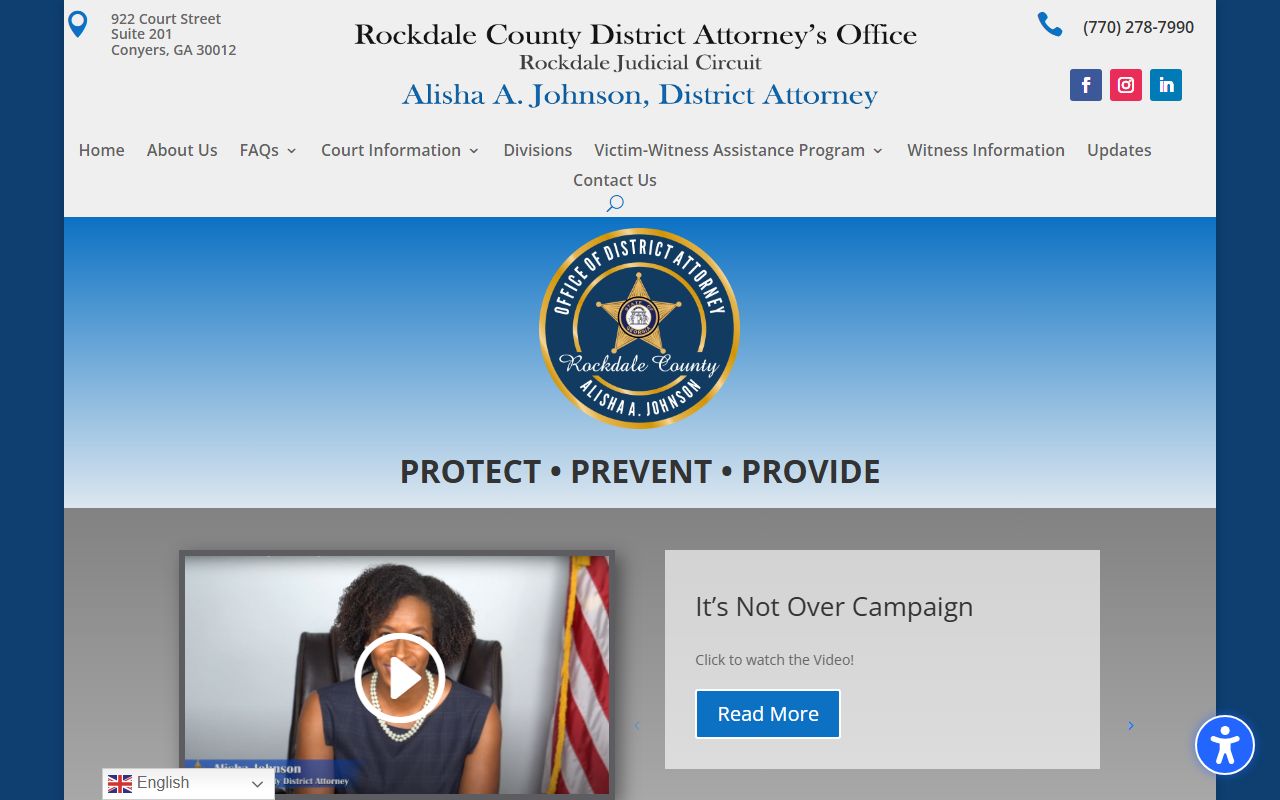
The DA source matters because formal charging decisions, case-status communication, bench-warrant direction, and record-restriction decisions can involve the prosecutor.
The Public Defender page names Gina Bernard and says eligible people should call for an appointment or assessment to make sure an attorney is available. Public Defender work affects records because counsel may appear on docket entries, file motions, resolve pleas, and advise on record restriction.
The county Public Defender page gives the local appointment point.
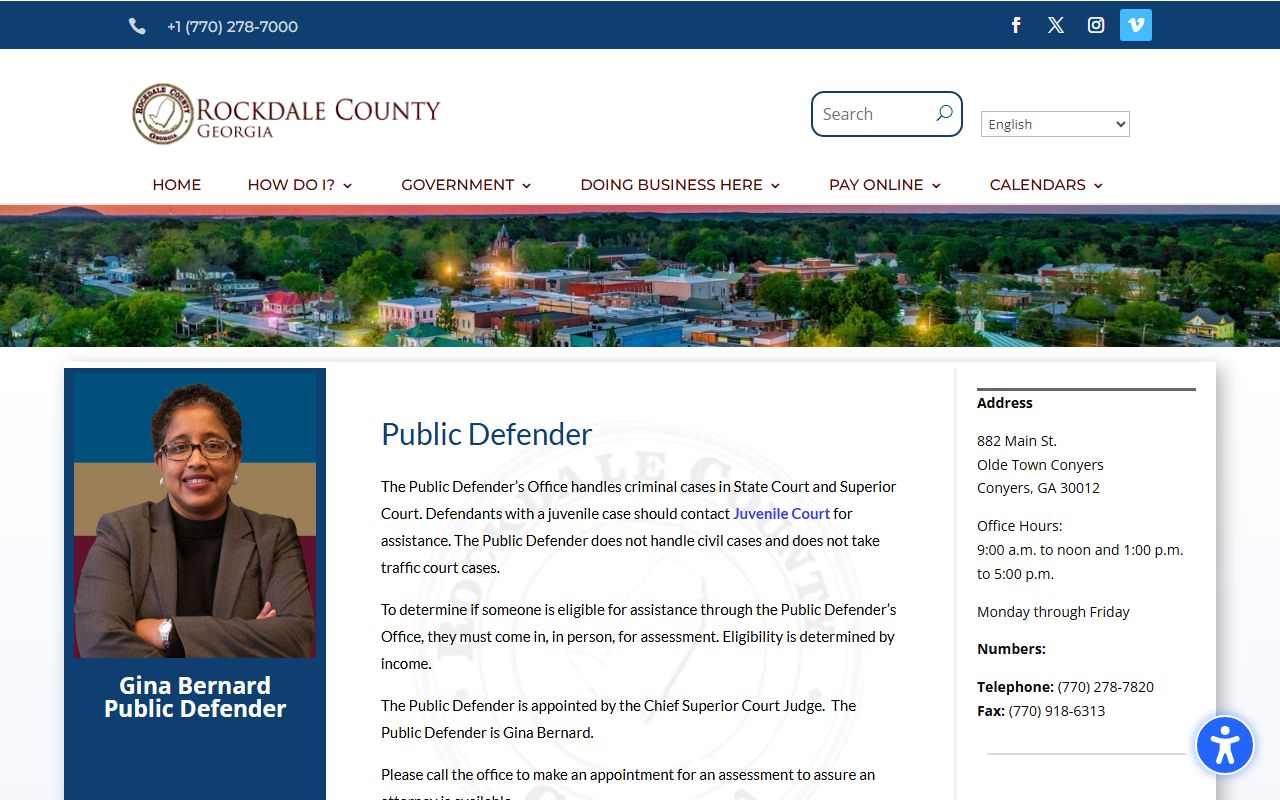
Defense-office records are not the same as public court records, but docket entries may show counsel appearance and filings.
Restricted and Expunged Records
Georgia uses the term record restriction for eligible criminal-history limits. The GBI explains that O.C.G.A. 35-3-37 governs restriction for certain criminal-history records for non-criminal justice purposes. For arrests after July 1, 2013, GBI says there is no application process through GBI and the person must contact the prosecutor. For arrests before that date, the person applies at the arresting agency.
| Point | Restricted or Sealed | Expunged |
|---|---|---|
| Georgia usage | Record restriction limits public access for eligible criminal-history records. | The research did not identify Georgia as using full deletion for every restricted court record. |
| Public view | May be hidden from non-criminal justice access. | Do not assume a record was destroyed unless the court or law says so. |
| Who matters | Prosecutor, arresting agency, court, and GBI depending on date and outcome. | Court order or statute controls any stronger remedy. |
| Proof still needed | Certified disposition may be needed from the clerk. | Eligibility depends on case outcome, conviction status, date, and Georgia law. |
The GBI record-restriction guidance is the state source for this topic.
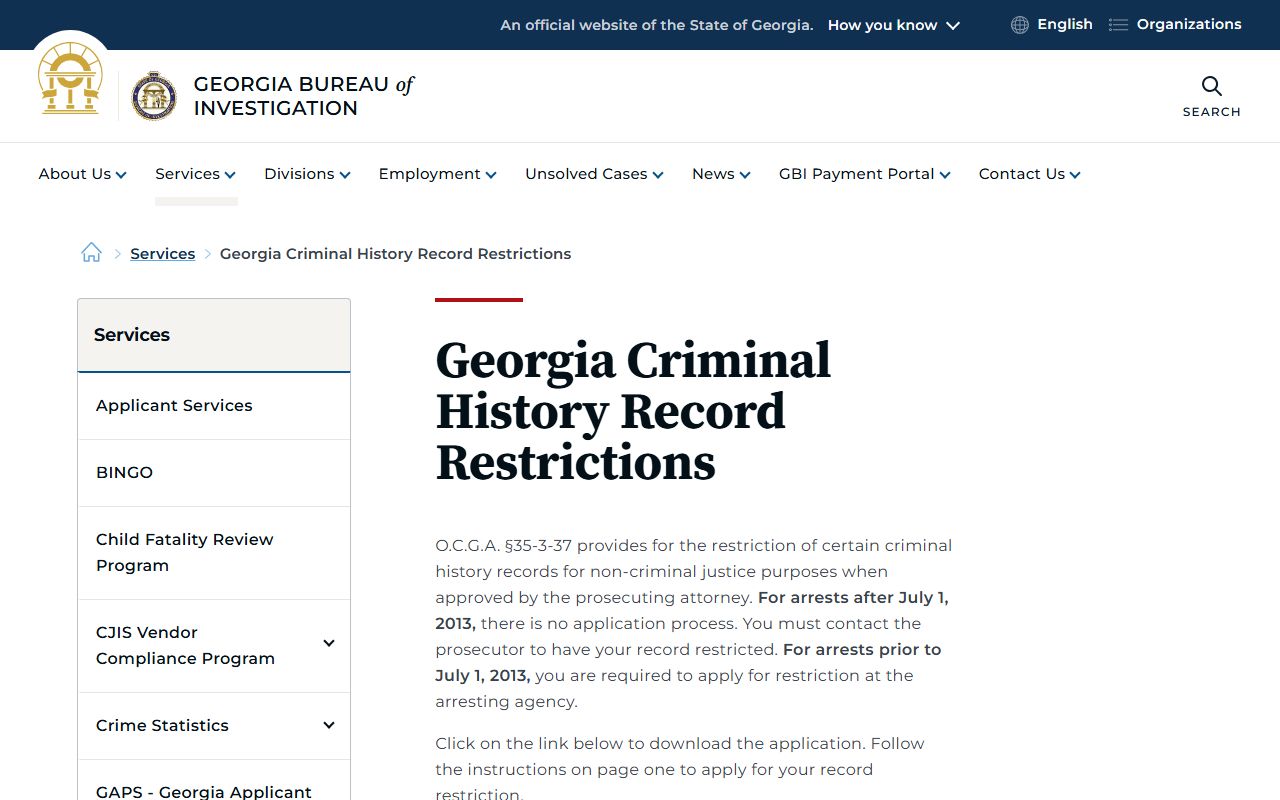
Record restriction should be checked against the final court disposition because dismissed, reduced, and convicted charges can have different treatment.
Public Access to Rockdale Criminal Records
Georgia's Open Records Act, including O.C.G.A. 50-18-70, presumes public access unless another law or court order restricts the record. O.C.G.A. 50-18-72 lists exemptions, and O.C.G.A. 15-11-704 limits juvenile court-file access. Adult criminal court records are often public, but access is not unlimited.
Do not use a criminal case file as a substitute for a certified criminal-history check when a law, employer, licensing board, or agency requires a formal background process. A court file shows what happened in that court. A statewide GCIC or GBI-linked process may include different rules and identifiers.
Note: Certified criminal dispositions should come from the clerk, not from a screenshot of an online docket.